

The Three Lies That Destroy Men’s Faith
And the Truth That Set Me Free
A Confession Before We Begin
Before we talk about the lies that destroy men’s faith, I want to start with a confession. I know these lies personally. Not academically. Not theoretically. Personally.
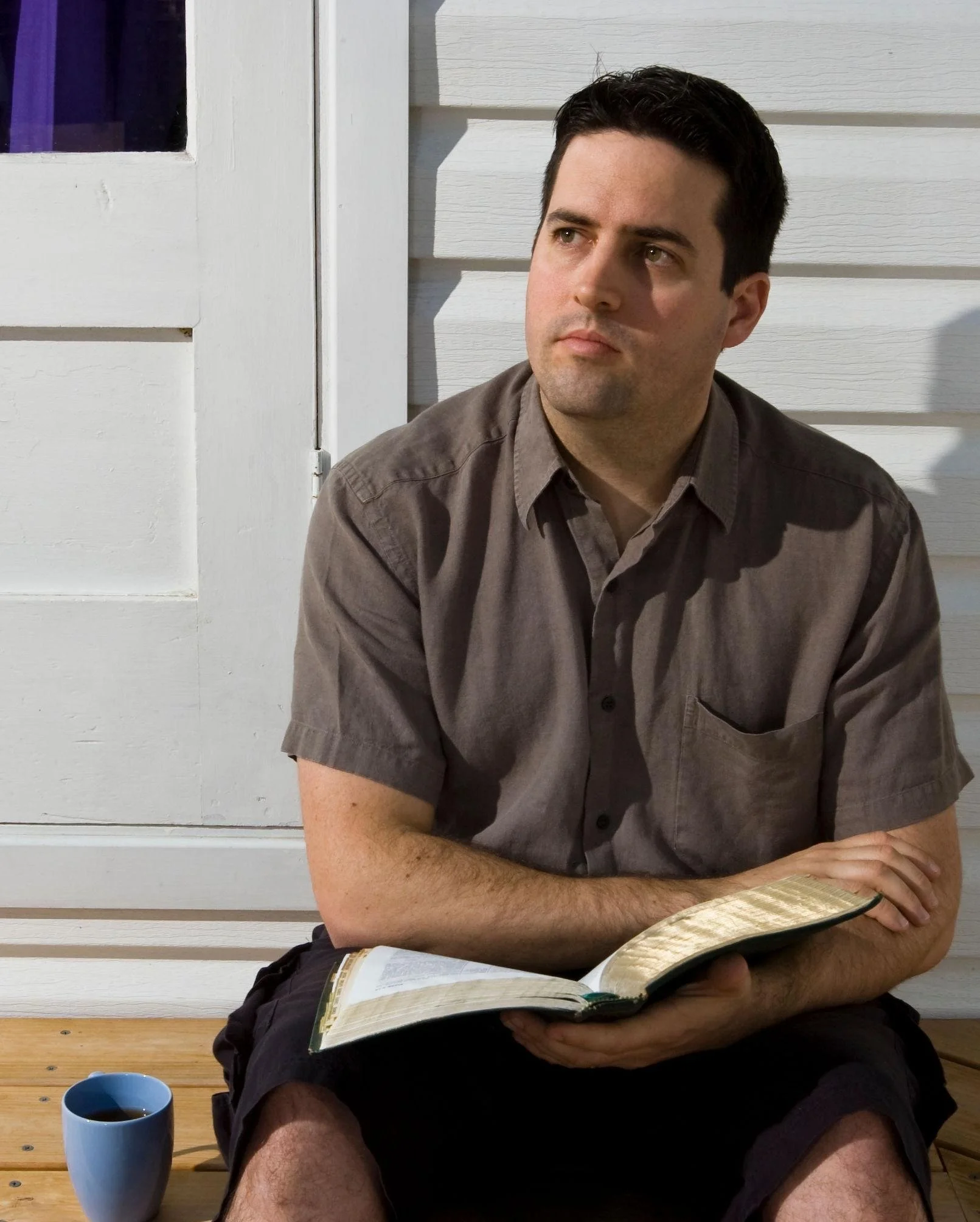
Many of us carry it quietly.
“Something must be wrong with me.”
There have been seasons in my life when I questioned whether I was the kind of man God could really use. Seasons where the gap between the man I wanted to be and the man I actually was felt painfully wide. If you’re a man, you probably know that feeling. Many of us carry it quietly. We may lead, serve, work hard, and even appear spiritually stable on the outside. But internally, there can be moments of discouragement, self-doubt, and spiritual fatigue. Over time, I began to notice something. Behind much of that discouragement were a few subtle lies—ideas that sounded believable but quietly undermined my faith. And I have discovered that many men are fighting the same battle.
Lie #1: “A Real Christian Man Should Have It All Together”
One of the most damaging expectations many men carry is the belief that spiritual maturity means having everything under control. A strong Christian man, we assume, should not struggle with temptation. He should not wrestle with discouragement. He should not battle the same weaknesses repeatedly. And when those struggles show up in our lives, the conclusion often feels obvious:
Something must be wrong with me.
I’ve felt that thought more times than I care to admit. But the longer I studied Scripture, the more I noticed something surprising. The Bible does not present its heroes as flawless men. Moses struggled with fear. David collapsed into moral failure. Elijah sank into despair so deep that he asked God to take his life. Even the apostle Paul admitted the tension of inner conflict:
“For what I will to do, that I do not practice; but what I hate, that I do.” —Romans 7:15
Struggle does not mean faith is absent. In many cases, it means the battle for the heart is very real. Spiritual maturity is not the absence of struggle. It is learning to bring our struggles honestly before God instead of hiding them.
Lie #2: “My Past Disqualifies Me”
Many men carry a quiet sense that their past has permanently disqualified them from being useful to God. I have wrestled with that thought myself. Past mistakes have a way of lingering in the mind. They whisper reminders of who we used to be—or sometimes who we still feel like we are. Over time, those memories begin to say something dangerous:
You missed your chance.
Yet when I read Scripture carefully, I see that God repeatedly works through men with complicated pasts. Abraham lied out of fear. Jacob deceived his own family. Peter denied Jesus at the most critical moment. And yet none of those failures ended their story with God. In fact, many of the people God used most powerfully were men who had experienced the humbling reality of failure. Grace does not pretend the past never happened. But grace refuses to let the past define the future.
God is not searching for perfect men. He is looking for men who are willing to keep surrendering their lives to Him.

Lie #3: “God Is Disappointed With Me”
Perhaps the most destructive lie of all is the belief that God is constantly disappointed in us. Many men quietly imagine God watching their lives with frustration, shaking His head every time they stumble. I have caught myself thinking this way before. And when you believe that lie, something slowly changes in your relationship with God. You begin to pull back. Prayer becomes less frequent. Scripture becomes harder to open. Approaching God feels uncomfortable. But the character of God revealed in Jesus tells a very different story.
When Jesus wanted to explain the heart of the Father, He told the story of the prodigal son. The father in that story does not stand at the door waiting with crossed arms. He runs. “While he was still a great way off, his father saw him and had compassion.” —Luke 15:20
That story changed the way I began to see God. God is not waiting for men to become impressive before welcoming them. He is eager to restore those who return.
The Truth That Changes Everything
If these lies quietly destroy faith, what truth restores it?
The answer is the gospel.
Over time, I realized something that reshaped my understanding of the Christian life. My standing with God is not built on my ability to perform consistently. It is built on what Christ has already accomplished. Jesus lived the life I could never live perfectly. He died the death I deserved. And through Him I am invited into a relationship with God grounded not in perfection but in grace.
This does not make obedience unimportant. But it changes the foundation. We do not obey God to earn His acceptance. We obey because we already have it in Christ.
The Real Battle
The real battle for many men is not simply external temptation. It is internal belief. Will we believe the lies that shame whispers? Or will we believe what God says about His grace?
Jesus said that Satan is “the father of lies” (John 8:44).
And those lies often sound convincing—especially when we feel discouraged. But truth breaks deception. And the truth of the gospel is this: God’s grace is greater than our failures.
A Final Word to Men Who Feel Discouraged
If you feel like your spiritual life is stuck, stalled, or failing, I want you to know something. You are not alone. Many faithful men in Scripture walked through seasons of struggle. And many men sitting in churches today—including the one writing this article—know exactly what that struggle feels like. What mattered for the men of the Bible was not that they never stumbled. What mattered was that they kept returning to God. Faith does not grow through perfection. It grows through perseverance. And the same grace that restored Peter is still restoring men today.
A Question for Reflection
Which of these three lies have you believed?
And what might change in your life if you truly believed that God’s grace is greater than your failures?
